
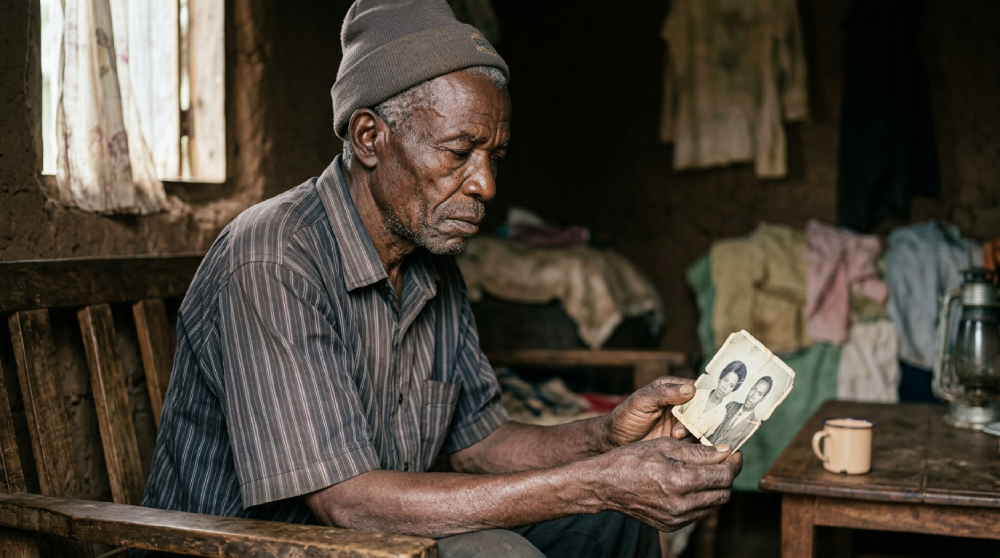
Why this matters now
- The last generation of direct witnesses is ageing
- Every year, more stories are lost
- This project protects memory for future generations
Biafran War Memories & Stories
Biafra is our story — the story of our parents, our families, our villages, towns and all who lived through those dark, and unforgettable, atrocities and wars years between 1967 and 1970. Help preserve the history of the Biafran War (1967–1970) through memories, interviews, photographs, records, and family documents before they disappear forever.
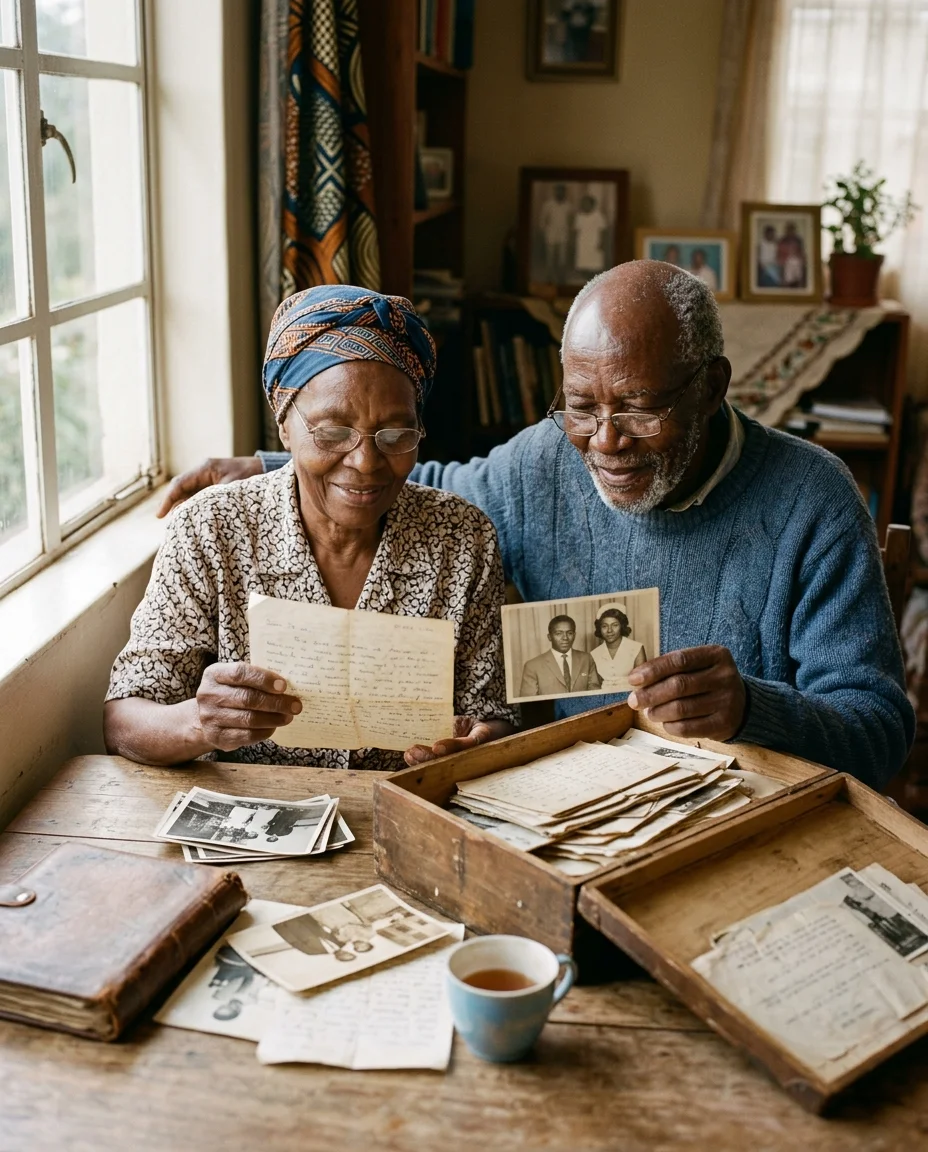
Preserving Memories Before it becomes Silence
Yet much of that lived experience remains undocumented. Many families still hold memories, letters, photographs, refugee cards, currency, and oral accounts that have never been preserved in any archive. This project exists to help preserve that missing layer of history before it disappears.
A living history at risk
Global Historical Importance
Why Biafra Still Matters to the World Today
The preservation of Biafran War memories is not only important for families and survivors. It also matters because the war helped shape humanitarian action, international law, journalism, and global public conscience in ways that still affect the world today.
1. The War Helped Inspire Doctors Without Borders
Did You Know?
Médecins Sans Frontières (Doctors Without Borders) was founded in 1971 by doctors and journalists in France after aid workers and witnesses were deeply affected by the suffering they saw during the war and famine in Biafra.
2. Biafra Changed How the World Sees Hunger in War
Did You Know?
The conflict exposed the effects of blockade, famine, and starvation on civilians, especially children, and pushed the world to debate the horrors of using hunger and starvation as a weapon of war.
3. International Law Prohibits Starvation of Civilians
Did You Know?
Later humanitarian law made this principle explicit: starvation of civilians as a method of warfare is prohibited, and depriving civilians of food or other essentials for survival is forbidden.
4. The United Nations Continues to Reaffirm This Principle
Did You Know?
Modern international debate continues to treat the starvation of civilians as a grave legal and moral issue, and in some contexts its use may amount to a war crime.
5. Biafra Was One of the First Modern Humanitarian Crises Seen Worldwide
Did You Know?
The war brought images of large-scale civilian suffering into homes across the world, changing journalism, public opinion, and the relationship between war reporting and humanitarian response.
6. The Effects of the War Are Still With Families Today
Did You Know?
Effects of Biafran War continue through family trauma and silence, lost relatives and broken histories, lost and abandoned properties, mistrust, displacement and migration, missing documents and photographs, and memories that were never recorded.
Further Resource
Special ICRC Archive Materials on The Nigerian-Biafran War
Stories, Records, and Materials That Will Help Preserve Biafran War (1967-1970) Lived History
We are sincerely and urgently inviting everyone to help us: Organisations and foreign nationals who lived/worked in Nigeria, families, elders, communities, and diaspora networks to share memories and materials listed below, which will enormously help to protect this history with respect, dignity and care.
Eyewitness Testimonies
Family and Village Memories
Survival and Rebuilding Stories
Photographs
Letters and Records
Historical Documents
Trust, consent, and respect
Everything shared will be handled with the highest level of respect. No contribution will be published, quoted, archived publicly, or used in any project materials without clear permission from the contributor or their family. Contributors may choose to be named, credited, or remain anonymous.
This project is not about sensationalism. It is about memory and truth, historical responsibility, honour, dignity, and respect.

Chris Ifeanyi Ezeh
Journalist, Author & Healthcare Lecturer |Diversity, Migration & Intercultural Competence Coach
| Publisher, CEO and Founder of EuroAfrica Media Network
Chris Ifeanyi Ezeh is a journalist and healthcare professional (paraplegiology), healthcare and Diversity, Migration & Intercultural Competence Coach - with over 35 years experience in Germany. Besides, he is a songwriter & world music producer (Afrofusion) and the publisher of the EuroAfrica News Magazine Online and the founder of EuroAfrica Media Network.
His forthcoming book, “BIAFRA, No More Silence: A Biafran Child’s True Story”, provides the personal starting point for this wider heritage project, rooted in lived experience and memory. The aim is not only to tell one life story, but to help communities preserve many voices, ensuring that memory, experience, and history are not lost to time.
“The aim is not only to tell one life story, but to help communities preserve many voices.”
Support The Preservation of Biafran War Memories and Stories
Your support will help us record testimonies, digitise documents and photographs, conduct interviews, and build a lasting archive for our children and future generations worldwide.
€25
Prepare Testimonies
Digitise Fragile Materials
Support an Interview Session
€355
Preserve Larger Family Records
Research Lost Biafran Children Sent to Gabon etc.
Build the Long-Term Archive
Add your Name to our List of Project Sponsors! Support long-term digital archiving, preservation, and educational outreach.
Biafra did not only change Nigeria. It changed humanitarian action, war reporting, and the world’s understanding of hunger, silence, and civilian suffering in war. Please stand with us in preserving a chapter of African history that still lives in the memories of families. Help us turn fragile memory into a protected legacy. The project aims to maintain clear and responsible use of support for documentation, preservation, and public education. Major supporters may be acknowledged, unless anonymity is requested.